Spring brings warmer weather and longer days, which makes it a popular time to freshen up yards with synthetic turf. But in Houston, the season also brings rain, changing soil conditions, and unpredictable humidity. That mix can create trouble for turf projects if steps are missed or rushed.
We see it every year. Homeowners eager to enjoy a full green yard run into problems when the groundwork is not solid or the turf type is not right for the season. Mistakes during this time can lead to poor drainage, sagging corners, and edges that start lifting after just a few weeks. To get the most out of turf installation in Houston this spring, here are a few key things to avoid.
Rushing the Job After Heavy Rain
Houston deals with a fair amount of spring rain. That soak might not seem like a big deal, but installing turf right after a storm can cause lasting problems.
- Wet ground makes it hard to build a stable base. If the soil moves under pressure, the turf may shift or settle over time.
- If water has not drained out properly, the turf can trap moisture underneath, damaging the surface over time.
- Letting the ground dry fully before any work begins helps everything stay in place after installation.
Waiting for the right conditions might feel like a delay, but it helps the turf last longer and look better through the hot months ahead.
Skipping Proper Ground Preparation
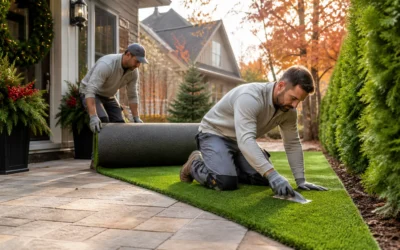
The base under your turf matters just as much as the turf itself. In spring, the softening soil can make it tempting to skip steps, but doing so often leads to sagging, pooling, and unwanted plant growth.
- Without compacting the ground properly, the surface becomes uneven fast.
- Weeds can grow through if a weed barrier is not installed first.
- Grading is especially important in spring, since water needs to drain away from your yard, not collect in low spots.
Houston’s soil is a mix, and depending on your property, you might be dealing with clay, sand, or something in between. That is why it is so important to prep the ground the right way, including measuring the slope and checking for any soft patches before the turf goes in.
Using the Wrong Turf Type for Spring Sun
Spring might start out mild, but it heats up fast in Houston. Not all turf types handle that full sun and building warmth the same way.
- Some synthetic blends trap heat and become uncomfortable for pets or bare feet during the day.
- Turf made for cooler climates may not hold up against the humidity and bright sunlight.
- Thinner turf fibers flatten quickly when walked on, especially during spring when families and pets are outside more often.
The right turf should match both the way you use your space and the climate it sits in. Choosing a surface that resists heat and bounces back from foot traffic makes a big difference once spring turns into summer. At Memorial Green Turf, we provide high-quality turf engineered for Houston’s heat, with built-in UV protection, durable blades, and specialized infill options to handle both pets and heavy use.
Overlooking Drainage in a Rain-Prone Season
Spring storms can do a lot of damage if your lawn cannot handle the water. Drainage is one of the most overlooked parts of turf installation, especially when things seem to be going smoothly.
- Water tends to pool in flat areas with no slope, especially when the base layer is not sloped before installation.
- If the existing yard was already having trouble with runoff, adding turf without adjusting drainage just makes it worse.
- Once turf is down, fixing drainage issues can be much harder.
Taking the time to manage flow now can prevent puddling, surface damage, and hidden flooding below the turf. It is easier to solve this before spring weather tests the yard day after day.
Forgetting That Spring Means Growth
Spring does not just bring rain and heat, it also jumpstarts growth. Ignoring this during installation invites problems a few weeks down the line.
- Without edge restraints or perimeter seals, weeds and grass can creep into the turf from nearby beds or lawns.
- Tree roots that were not trimmed back may rise under the turf over time, pushing or wrinkling the surface.
- Most of Houston warms up quickly in spring, and that surge of natural growth can affect any area that was not sealed properly.
Think of spring as a living season. If your installation does not factor in what is growing just beyond the turf line, chances are good that nature will push back.
Make Spring Turf Work for You, Not Against You
Getting turf installed in spring can be a great idea, if it is done with care. Rushing through wet soil, skipping prep, or using the wrong turf type for the weather can bring regrets faster than you expect. From hidden water issues to flattened patches underfoot, the signs usually show up before summer even hits.
Spring gives us a chance to reset our outdoor spaces, but the season comes with its own limits. When you take the time to let the ground dry, prep the space, and plan around growth patterns, turf performance improves. Whether it is rain, heat, or new growth, a well-installed surface holds up better when spring brings all of that at once.
At Memorial Green Turf, we understand how quickly spring weather can shift in Houston and why thoughtful planning is important for successful synthetic grass installation. When you want a surface that stands up to rain, sun, and unpredictable soil conditions, our team can make sure your project is done right. For homeowners and businesses considering turf installation in Houston, choosing the ideal surface and preparing the area carefully can make all the difference. Let us help you get your yard or outdoor space ready for spring. Contact us today to start your project.