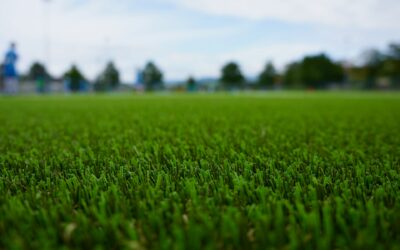
Synthetic golf greens look great year-round, but they face a real challenge when it comes to drainage, especially in humid and rainy places like Houston. Synthetic putting green turf might not get muddy the way natural grass does, but standing water, soft spots, or soggy turf are not uncommon if the system underneath is not built for it. That creates headaches after a heavy storm, ruins play, and can shorten the life of the turf.
We have seen how a simple detail like the slope of the base or blocked drainage lines can turn a fresh, dry green into a mess. Good drainage matters a lot more than most people realize, and it has to be part of the plan—not an afterthought. Let’s look at how drainage problems start, what causes them, and the real fixes that last.
Why Drainage Matters for Backyard Golf Greens
When water has nowhere to go, turf takes the hit. A smooth short game can get thrown off after rain, with water pooling right where you want to play. Golf greens rely on a flat and firm surface for the ball to move as intended. Puddles or soft places push the ball off line and take away precision.
Too much moisture below can cause mold or mildew between turf and base layers. Over time, that weakens the turf and damages the structure underneath. Surface shifting or rising corners often show up where water is not handled well.
Synthetic putting green turf drains differently than natural grass. Grass absorbs and filters moisture through soil, while turf only drains as well as its surface system allows. Good drainage comes from crushed stone or similar base materials compacted at proper angles, not just what is visible up top. Shortcuts in installation or the wrong base set the stage for water trouble.
Memorial Green Turf uses drainage-optimized base systems for Houston golf greens, with layered stone and perforated backing to move water away even during heavy rain.
Spotting Early Signs of Drainage Trouble
Drainage problems are sneaky. Sometimes they start small, with puddles that linger or soft, squishy turf spots. These warning signs get worse fast, especially during Houston’s early fall thunderstorms.
After a heavy rain, check if your putting green dries quickly and feels firm again. If turf around the holes or at the edges starts to sag or look uneven, water may be stuck below. Lingering wetness can also feed mold or bacteria that you cannot see from the surface.
A well-built synthetic putting green turf should spring back fast after weather blows through. When it takes hours or days to dry—or if your putts start rolling off—drainage is worth a closer look. Catching problems early makes solutions easier and keeps turf in better shape for longer.
Drainage Challenges Specific to Houston Yards
Houston’s dense, clay-heavy soils soak up water slowly and let it out even slower. In dry stretches, clay hardens, but with rain, it becomes almost like a sponge that holds on to every drop. That leaves synthetic putting green turf sitting above ground that will not send water away on its own.
Flat yards can also make it worse. Water likes to stick around without any slope pitching it toward a drain or natural runoff. Turf may look crisp for a few months, but without the right base grade, corners or edges start to puddle and never truly dry.
With fast-changing weather, Houston yards can shift from bone dry to soaked overnight. Signs such as wet corners, puddles that do not clear, or soft turf that never firms back up are warnings that the drainage below is not doing its job. Good planning is the only way to avoid a wet mess after every rain.
How a Proper Drainage System Should Work
A well-designed synthetic green always starts with drainage in mind. It takes more than turf on top—a solid base network underneath prevents nearly all surface water headaches.
– Compacted, layered stone or drainage mat blocks act as the main foundation for turf to rest on and let water pass through quickly.
– Slight slopes let water move smoothly toward drains or low points.
– Perforated drainage pipes help pull water out before it builds up, moving it safely away from the turf and out into the yard.
– Turf choice matters, too. Some synthetic putting green turf models have more perforations or drainage space to speed up water flow.
Those details need to be built in before the turf ever goes down. If shortcuts are taken or if any of these elements are missed, symptoms can show up right away or appear after the first big storm.
Fixing an Existing Putting Green with Drainage Problems
If drainage issues are showing up in an existing green, patching just the turf is only a temporary fix. The problems are nearly always below the surface. Start by reviewing how water flows—look for low points that collect water, and check if base layers are still level and compact.
– Minor issues can sometimes be corrected by regrading the surface for better water movement.
– In more severe cases, the base materials under the turf need to be replaced with gravel or drainage-friendly fill, and a new slope created.
– If no drainage pipes were installed, or if old pipes are clogged, new piping could make the difference.
– Upgrading to turf with a more advanced perforated backing may help, but only when paired with the right drainage plan below.
Avoid surface fixes that just cover up the look of a soggy spot. Instead, dig deeper and address water movement at the lowest layer. That is the path to long-term results.
Keeping Your Turf Green and Dry Year Round
A great putting green needs a great foundation. In Houston, where downpours and humid months challenge turf longevity, a drainage-first approach will keep your surface playable and smooth for years to come. Compact base layers, the right slope, and matching the turf to conditions prevent standing water, bacteria, and mildew headaches.
Thinking ahead, or acting fast on the first signs of drainage trouble, can save your synthetic putting green turf from many problems and extra repairs. With a solid start and the right care, you can count on dry, ready greens every season, no matter how much rain or humidity comes your way.
Water doesn’t move the same way through every Houston yard, which makes a solid turf plan even more important. The right base, slope, and surface materials change how your green handles all that damp air and sudden rain. We’ve shared more tips on picking the best synthetic putting green turf to keep things draining right and looking sharp. At Memorial Green Turf, we help Houston homeowners choose smart options that last through every season.