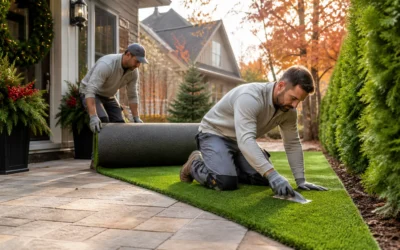
Artificial turf in Houston backyards takes a beating. Between long summers, heavy rain, and pets running around, it doesn’t stay new forever. Most turf holds up well for years, but there comes a point when it just doesn’t look or feel right anymore. That’s when some signs may point to the need for a Houston artificial turf installation, especially if the surface has seen a lot of wear and isn’t bouncing back the way it used to.
Knowing what to look for helps us plan ahead. If we can catch the warning signs early, we can avoid bigger problems later. Below, we’ve shared a few things that usually show up when artificial turf is aging and may be ready for a change.
Fading Grass and Discoloration
Artificial turf won’t stay bright green forever. Over time, the color can change, sometimes slowly, sometimes after only a few hot seasons. In Houston, where the sun shows up often, the fading tends to happen a little faster. Day after day of direct sunlight causes turf fibers to lose their rich color and vibrancy, making the yard appear duller over time.
- If the turf looks lighter than it used to, or the color seems dull or washed out, the sun may have done its work
- Spotty patches where some areas are lighter than others suggest the material is wearing unevenly
- Yellowed areas or strange color differences often mean the turf has reached the end of its durability
Color changes alone don’t always mean it’s time to replace it, but in many cases, it’s the first sign that things are starting to wear out underneath too. If the color has faded so much that the grass no longer blends into its surroundings, your lawn may not look as lively or appealing as it once did.
Flattened or Matted Blades
Turf is supposed to stand tall. It should feel soft but springy underfoot, holding its shape even after a lot of play. When it starts looking flat, lifeless, or pressed down, it might be losing its structure. Often, turf in high-traffic areas is the first to show this kind of wear, since kids and pets tend to follow the same routes in the yard.
- Older turf blades can get matted and stuck down, especially in high-traffic paths or play areas
- If brushing or cleaning doesn’t help them stand back up, it’s possible that the turf has lost its memory
- Matted turf doesn’t just look bad, it can actually cause water to sit on the surface instead of draining
When turf loses that upright look, it starts to feel more like carpet than grass, and it doesn’t bounce back the way it should. Besides making the lawn less enjoyable to walk on, flat or matted blades can hide problems with drainage or even cover up small tears in the turf. If large sections look trampled no matter how you clean or care for them, this is a strong sign that the turf has lived out its lifespan.
Poor Drainage and Water Pooling
After a strong Houston rain, turf should drain fast. You don’t want puddles sitting around for hours or soggy surfaces keeping you off the lawn. If water is pooling or spilling over onto walkways, something may be wrong beneath the surface. Good artificial turf is designed with a permeable backing that lets water flow through easily, but as that backing wears down, drainage can quickly worsen.
- Turf that holds water could have a broken base or clogged drainage layer beneath it
- Pooling near seams or edges may mean the turf has shifted or stretched over time
- Repeated drainage problems can break down the entire turf system and make repairs more difficult
We don’t always see drainage issues until summer storms hit, which is why late spring is a good time to walk your space and check for soggy corners or slow drainage spots. Lingering puddles may also encourage the growth of mold and mildew, which further weaken the turf and make your yard less pleasant to use.
Loose Edges or Seams Pulling Apart
After years of changes in temperature, rain, and soil shifting, seams may start to separate or edges may lift up. These weak spots usually don’t fix themselves, and if left alone, they can make things worse. Sometimes you’ll notice this first when mowing around the border, edges may curl up or feel spongy underfoot.
- Gaps between turf panels or curled edges are signs that the installation has loosened
- When these gaps open, weeds can pop through and insects may find places to hide
- Loose turf can become a tripping hazard, especially for kids or anyone walking barefoot
Even if the turf still looks okay in the middle, wide seams or lifted edges mean it’s likely time for a replacement instead of small patch work. Over time, the opening can spread, making it easier for rain to get underneath the turf and weaken the entire system. Addressing these gaps early is the best way to keep the area safe and looking its best.
Odors or Stains That Won’t Go Away
It’s normal for turf to hold a bit of dirt or need the occasional rinse. But if strong smells are sticking around no matter what we try, it might mean the turf isn’t working as it should anymore. This is particularly challenging for Houston homes with pets, since waste can work its way down into the infill or backing.
- Pet waste or mildew smells that won’t wash away may point to poor drainage or worn-down material
- Some older turf backing can break down and start to trap moisture instead of letting it dry out
- Deep stains that discolor the blades or backing can also weaken the turf
Turf that’s been cleaned but still smells bad or holds water should be looked at sooner rather than later, especially before Houston’s hottest months arrive. No one wants their backyard to feel uninviting, and persistent odors can point to deeper problems with how effectively the turf is draining and holding up.
Other Subtle Signs of Turf Aging
It’s not just the big issues that can point to aging turf. Sometimes you’ll notice little things first, like an area that seems to attract more bugs, or a spot that always feels warmer, even in the shade. Maybe the lawn stays damp longer than it used to after watering or rain. You might see small weeds poking up along the edges or seams, or notice the infill seems uneven, leaving parts of the turf harder or more slippery than the rest. These smaller signals, while not always urgent, are worth paying attention to, since they could point to problems beneath the surface or with the way the turf was originally installed.
Staying alert for these subtle problems can help you decide whether a simple repair is enough or whether it’s finally time for a new surface. Regularly walking your backyard, running your hand over high-traffic areas, and checking for changes in how the turf looks or feels will give you a head start on catching any issues.
A Fresh Backyard Starts With the Right Turf
Backyards take on a lot during the year, especially with Houston heat and rain in the mix. If we’ve noticed dry spots, loose edges, matted areas, or odd smells, it’s probably not just about looks. These are often signs that the turf has passed its prime.
A new Houston artificial turf installation doesn’t just refresh how the yard looks, it solves drainage problems, improves safety, and keeps everything easier to clean and maintain. Catching these signs early helps make sure our outdoor spaces stay ready for whatever we want to use them for, running outside with the kids, hosting weekend cookouts, or just enjoying a quiet evening after the heat breaks.
Worn or poorly draining turf can take the fun out of your backyard and make everyday use frustrating, but a proper surface transforms the space completely. With our expertise in local weather and soil conditions, we understand how much difference the right turf can make. For homeowners ready to take the next step, our Houston artificial turf installation is designed to handle the heat, rain, and everything in between. Contact Memorial Green Turf and let us get your yard looking and performing the way it should.