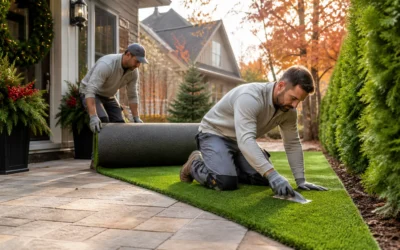
Hot summer days in Houston can do more than just warm up sidewalks and soften tires, they can also make pet turf smell a lot worse than usual. If your dog’s turf patch is starting to give off strong odors, you’re not the only one noticing. The heat mixed with leftover waste and moisture can turn a simple lawn into a space you’d rather avoid.
When pet turf artificial grass is exposed to weeks of sun, humidity, and constant use, odors can build up fast. Some days, no matter how much you rinse or clean, the smell won’t go away. That’s not just annoying, it can make your yard feel less like a play area and more like a problem zone. Let’s look at what’s causing the stink and what can help fix it.
Why Summer Heat Makes Odors Worse
Warm weather doesn’t just wake up plants and bugs, it wakes up smells too. The way turf holds heat makes it easier for odors to hang around. On hot days, especially in August, we notice odor issues picking up faster than usual.
- High temperatures cause any leftover pet waste or urine to release stronger smells as it dries and breaks down
- Humid air, which is common in Houston, can make it harder for those smells to escape, trapping them at nose-level
- Areas with poor airflow or lots of direct sunlight can hold heat longer, especially when there’s not much shade around
It doesn’t take much to start a cycle that’s hard to stop. Heat speeds up the problem, and that smell gets worse every time your dog goes to the bathroom or lies down on the same spot. Turf that isn’t built for this kind of use often gives in quickly.
Common Issues Causing Turf Smells
Bad smells usually aren’t random, they’re signs something underneath the surface isn’t working right. It’s easy to assume rinsing with water is enough, but there are deeper causes that can make the odor stick around.
- Pet waste that isn’t fully cleaned out can settle between the blades or even get trapped in the fill material
- Clogged or slow drainage means water and urine don’t move through properly, keeping bacteria around longer
- Not all turf is made for pets, if the backing or infill holds moisture or heat, it can make smells worse
- Some cleaning routines just push waste further into the material instead of removing it, especially if water can’t move through freely
Over time, the effects stack up. By the second or third heat wave, it’s not unusual to find that even turf you cleaned the day before still smells by noon.
Signs Your Dog’s Turf Patch Needs Attention
You can usually smell the trouble before you see it. But if you know what to watch for, it helps you stay ahead of the problem.
- A strong odor that comes back shortly after rinsing, especially after the sun comes out
- Discolored spots on the turf, especially where your dog usually pees or rests
- Your dog starts avoiding the area or seems uncomfortable being on it
- The smell feels worse after watering the lawn or following a summer rain
Sometimes, odor issues come from deeper problems in the turf base layer. If the ground underneath holds too much moisture or has developed drainage gaps, the stench won’t go away until that’s fixed.
How Material and Design Affect Turf Freshness
Products made specifically for dogs are more likely to stay fresh through Houston’s long summers. With the right setup, pet turf artificial grass doesn’t just look good, it works better at keeping smells under control too.
- Turf made for pets often uses backing that drains faster, which helps clean water and urine flow through instead of sitting on the surface
- Antimicrobial infill can cut down on bacteria growth, which makes a big difference when heat and moisture combine
- Lighter turf colors or ventilated design can help with heat reduction, keeping the surface cooler and less smelly
These design choices don’t just show up in summer, they help all year. But August is when their benefits are easiest to notice. If odors keep coming back despite cleaning, the problem could be in the turf’s structure, not just the care routine. Memorial Green Turf uses pet turf with high-permeability backings and antimicrobial, non-absorbent infill designed to significantly reduce odor and support quick drainage in Houston.
When Professional Help Makes Sense
If you’ve cleaned the turf, removed waste, rinsed carefully, but the odor’s still strong, the problem may run deeper. At that point, it’s worth getting another set of eyes on the space.
- If the drainage isn’t working properly, water may be getting stuck below the turf instead of moving through
- Old or overloaded infill might need to be removed and replaced with something meant for high-heat or pet use
- A pro can check how the turf was installed and spot grading issues that keep moisture where it shouldn’t be
Sometimes the turf itself is right, but the setup doesn’t support it. Edges that trap puddles, seams that don’t line up, or dips in the base can all lead to smells that won’t go away until they’re fixed the right way.
Keep Summer Play Spaces Clean and Odor-Free
Summer heat in Houston doesn’t leave much room for mistakes when it comes to odor control. Pet waste, moisture, and blocked drainage can quickly turn into problems if they’re not handled at the source. Turf that once looked fresh and green can feel less inviting when smells start to take over.
Staying on top of small issues before they turn into bigger ones makes a big difference. If your pet turf smells no matter what you do, it might be time to look beyond the surface. With the right setup and care, dog turf can stay clean, dry, and ready for play, no matter how hot the day gets.
At Memorial Green Turf, we understand how challenging it is when your dog’s turf area develops unpleasant odors during Houston’s hot and humid summers. When rinsing and surface cleaning no longer solve the problem, the cause may lie deeper within the turf system. Selecting the right base, infill, and turf design is crucial to maintaining a comfortable, odor-free environment for both pets and people. To find out how we solve these issues with our pet turf artificial grass, contact us today.